I am a research scientist in the Data-Driven AI for Robotics (DAIR) group at NVIDIA Research, working at the intersection of computer vision, robotics, and graphics. My current research asks how robot policies can learn from human data and simulation alone. I study how to perceive and generate human and humanoid motion and behavior to support this goal.
This interest has led me through work on 3D and video generative modeling during my PhD in Computer Science at the University of Toronto and the Vector Institute, co-supervised by Florian Shkurti and Sanja Fidler. Previously, I researched model-based RL during my MSc. As an Engineering Physics undergraduate at UBC, I researched RL for character animation with Michiel van de Panne and built and programmed various robots, including with UBC Thunderbots.
Selected publications
-
NVIDIA OmniDreams: Real-Time Generative World Model for Closed-Loop Autonomous Vehicle Simulation
arXiv preprint, 2026
A causal-diffusion generative world model trained on 21k hours of driving data that renders action-conditioned multi-view AV sensor video at up to 105 FPS per camera for closed-loop policy evaluation.
Projects
-
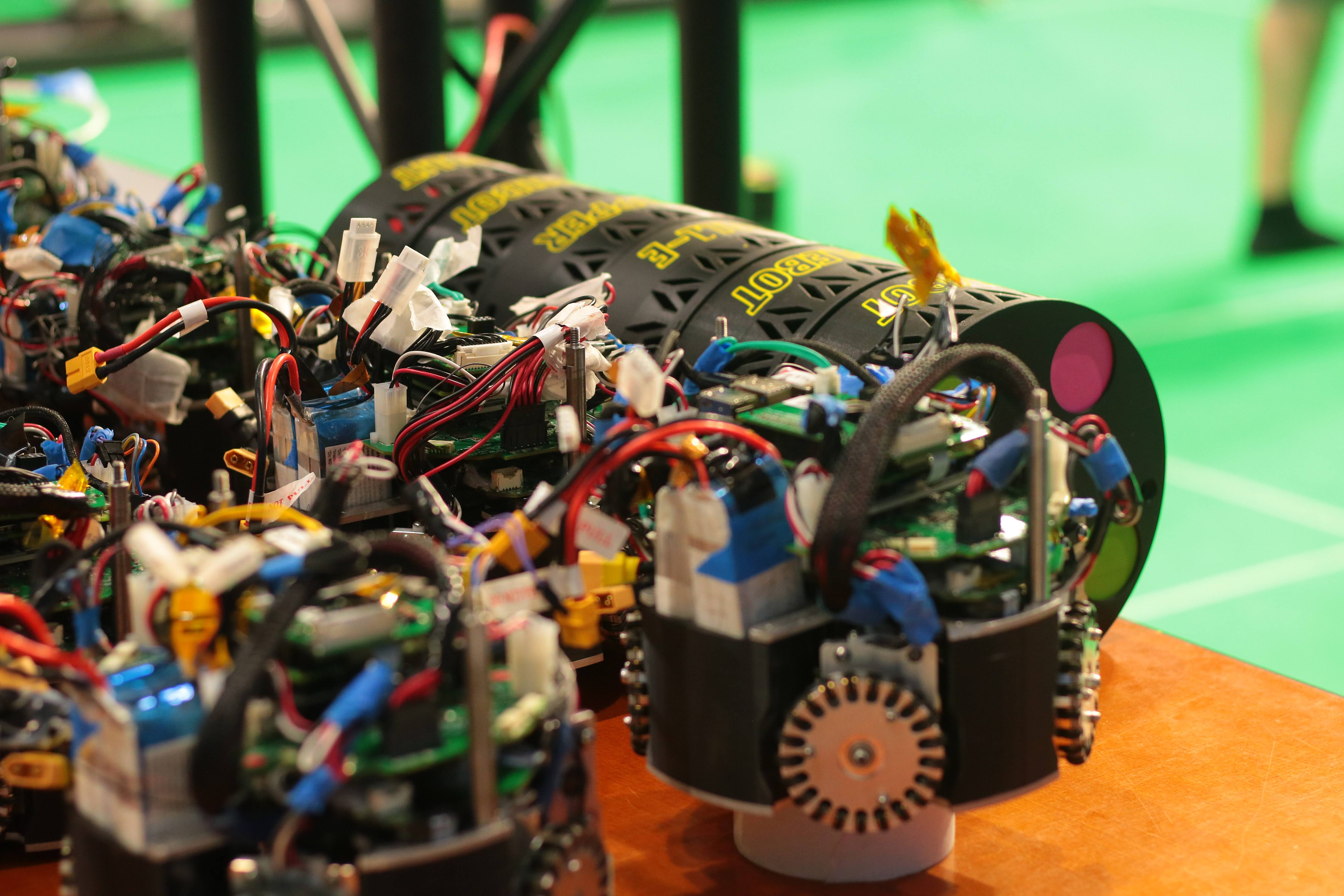
UBC Thunderbots: Autonomous Robot Soccer
Undergraduate robotics project · UBC
Built and programmed autonomous soccer robots with UBC Thunderbots for RoboCup’s Small Size League.
More publications
-
Cosmos 3: Omnimodal World Models for Physical AI
arXiv preprint, 2026
A family of omnimodal world models that jointly process and generate language, image, video, audio, and action within a unified mixture-of-transformers, subsuming VLMs, video generators, world simulators, and world-action models into one framework.
-
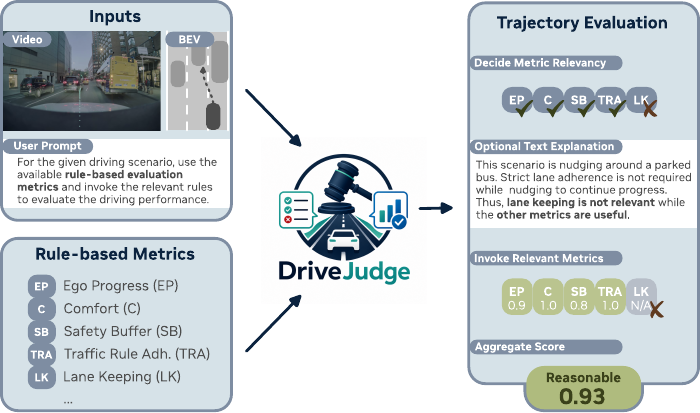
DriveJudge: Rethinking Autonomous Driving Evaluation with Vision-Language Models
arXiv preprint, 2026
A context-aware AV evaluation framework combining rule-based metrics with VLM reasoning about when rules should apply, avoiding over-penalizing reasonable long-tail driving behavior.
-
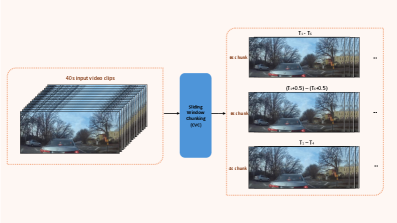
VLM-AutoDrive: Post-Training Vision-Language Models for Safety-Critical Autonomous Driving Events
arXiv preprint, 2026
A modular post-training framework (captions, VQA pairs, chain-of-thought supervision) that adapts pretrained VLMs to detect rare safety-critical dashcam events.
-
Cosmos-Transfer1: Conditional World Generation with Adaptive Multimodal Control
arXiv preprint, 2025
An open-sourced conditional world-generation model producing controllable world simulations from adaptively-weighted multimodal spatial inputs, targeting Sim2Real for robotics and AV.
-
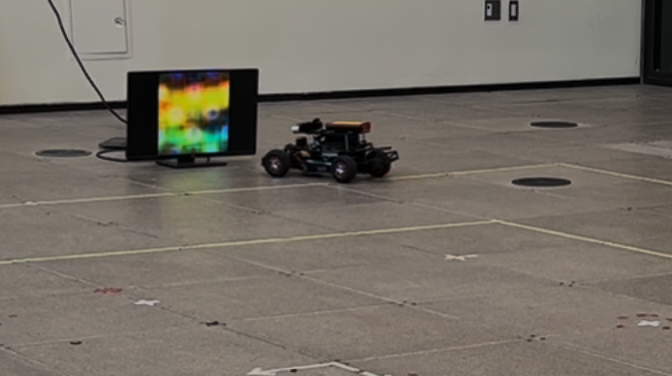
Generating Transferable Adversarial Simulation Scenarios for Self-Driving via Neural Rendering
CoRL, 2023
Discovers adversarial driving scenarios by optimizing object placement and textures inside a neural rendering of the deployment scene, with attacks transferring to a real RC-car track.
-
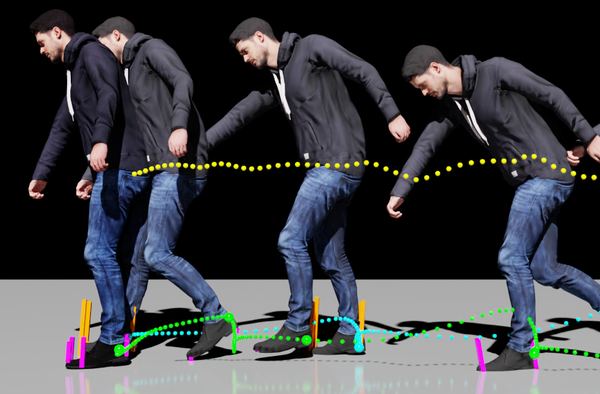
Learning Human Dynamics in Autonomous Driving Scenarios
ICCV, 2023
Learns physically plausible human dynamics directly from real-world driving footage, enabling simulated pedestrians that behave like real ones.
-
KAMA: 3D Keypoint Aware Body Mesh Articulation
3DV, 2021
An analytical solution that articulates the SMPL body model directly from 26 regressed 3D keypoints, achieving image-aligned mesh recovery without paired mesh annotations.
-
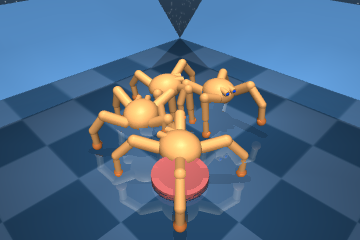
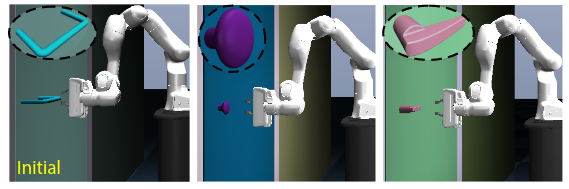
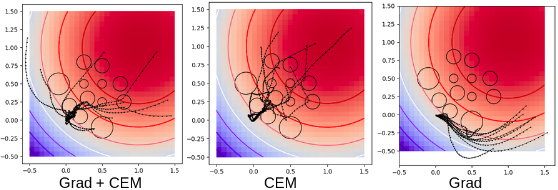
Continual Model-Based Reinforcement Learning with Hypernetworks
ICRA, 2021
Task-conditional hypernetworks continually learn dynamics models across task sequences without revisiting old data.

A full, up-to-date list is on Google Scholar.